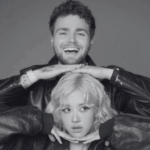

The drinking culture in South Korea has recently come back into the spotlight, amplified by the recent musical collaboration between Rosé and Bruno Mars with the song “APT.” This track, which is topping charts worldwide including Billboard, not only captured global attention with its catchy melody but also highlights a crucial aspect of Korean social life: drinking games.
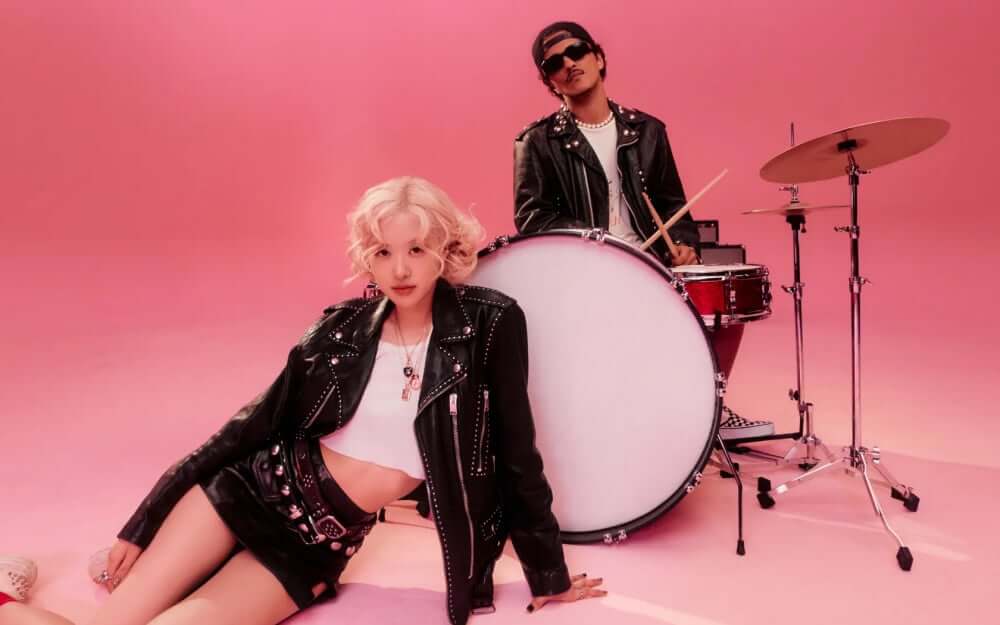
APT, among the many in Korean culture, is a game that simulates the construction of a “building” using hands: participants take turns saying a number, and hands are rhythmically stacked on top of each other for each count. The person whose hand is at the top of the “building” when the previously declared number is reached must drink a shot. It’s a simple game that requires no special equipment or skills, making it perfect for nights out with friends. For those of us who watch K-dramas or are otherwise familiar with Korean culture, it is well-known that drinking is widespread in South Korea, carrying deep cultural meanings and significant social implications.
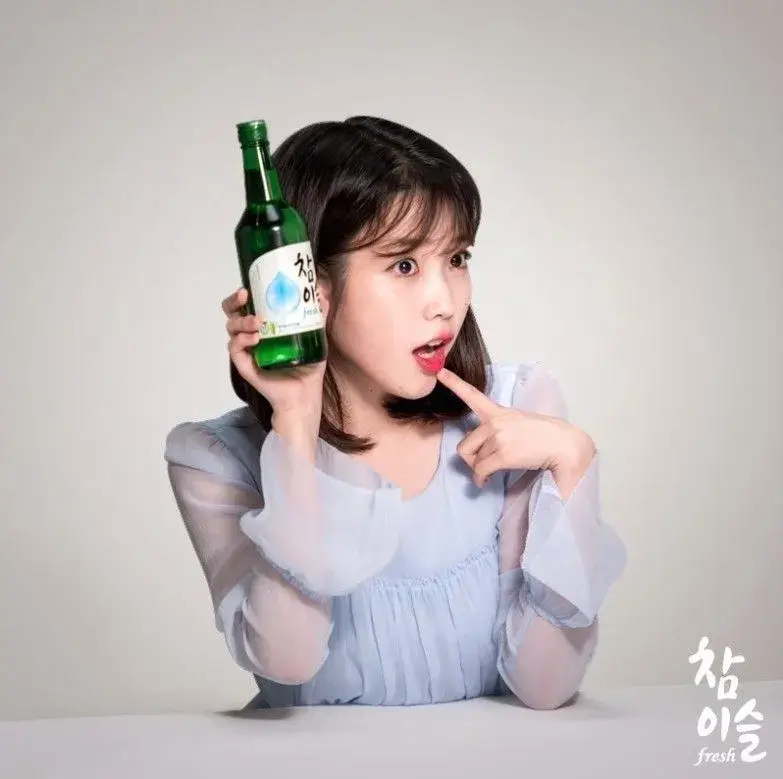
Some time ago, I was gifted a photobook titled “Made In Korea” by Filippo Venturi; the caption of a picture intrigued me: it said that in 2011, soju—the quintessential Korean liquor—was the most consumed spirit in the world, despite being basically drunk only in Korea. According to Yonhap sources, over 3.6 billion bottles of soju were consumed in South Korea in 2017 alone, which means each adult drank about 87 bottles. Alcohol, whether in the form of soju or other beverages, is an integral part of Korean social life, often associated with company dinners and gatherings among friends.
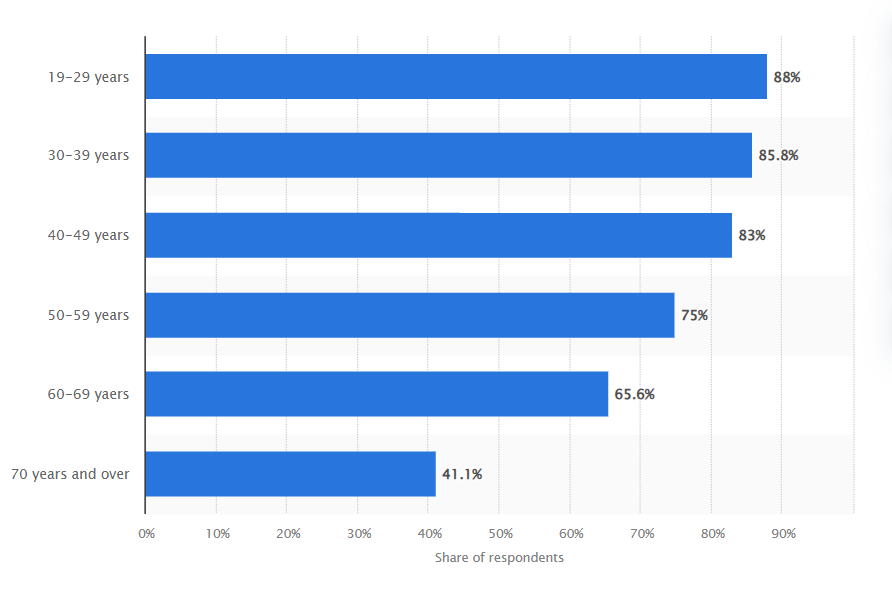
Tradition dictates that during these occasions, toasts are made and alcohol is consumed to relieve stress and strengthen social bonds. Drinking together is seen as an effective mean to build and reinforce both personal and professional relationships. According to statista.com, in 2022, 88% of people aged 18 to 29 regularly consumed alcohol.
Work meetings, known as hoesik, are occasions where colleagues and superiors gather to drink after a workday. These events serve not only as leisure moments but also as opportunities to discuss business and solidify relationships. In a highly competitive society like South Korea one, alcohol consumption is often used as a way to alleviate accumulated stress. Koreans primarily drink to relax and feel comfortable, especially after long workdays; in this sense, drinking culture provides an opportunity to escape daily pressures and socialize in an informal setting.
Moreover, the relatively low cost of alcoholic beverages—especially soju—contributes to its widespread consumption. Despite recent price increases, a bottle of rice liquor still costs slightly more than a bottle of water, making it easily accessible to everyone. This economic factor encourages many to choose alcohol as a recreational option.
Drinking Etiquette
The drinking culture in Korea comes with strict social rules. For instance, it is considered rude to pour your own drink; beverages must be poured by another person, especially if they are a superior, elder, or respected individual. Additionally, when pouring a drink, it is customary to use both hands: the right hand holds the bottle while the left hand supports the right wrist. Similarly, when receiving a drink, the glass should be held with both hands. One should never fill their glass until it is completely empty as a sign of respect toward fellow diners. Always serve the oldest or most respected person present first and never refuse a drink; doing so is considered impolite! These norms reflect respect for social hierarchy and the importance of interpersonal relationships.
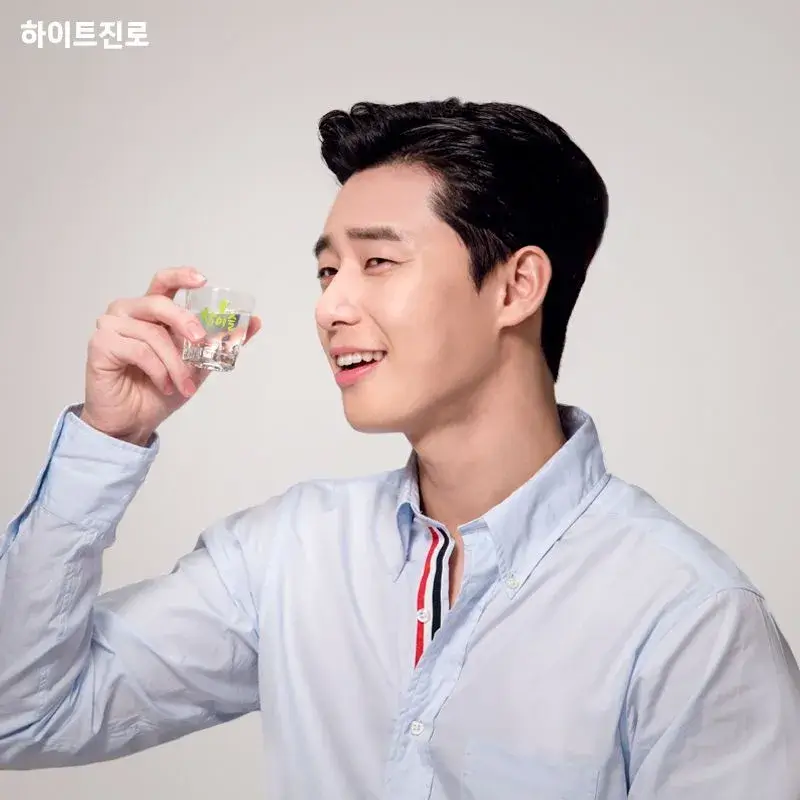
In Korea, drinking culture has become so mainstream that it has even developed into a flourishing economy for hangover remedies—a rapidly growing sector valued at approximately $288 million in 2022, expected to rise significantly in subsequent years. This market includes various products such as pills, drinks, and cosmetics designed to alleviate hangover symptoms. Among the most popular remedies is haejangguk, a traditional soup said to help recover energy and detoxify the body. In recent years, innovations like hangover-recovery ice cream have emerged that combine traditional ingredients like oriental raisins with modern formats to attract consumers.
Despite positive traditions related to socialization and its beneficial impact on the economy, excessive alcohol consumption has raised public health concerns. The WHO reports that in 2014, the age-standardized death rate from liver cirrhosis was 50 per 100,000 for males and 57.5 for females. For road traffic accidents, there were 18 male fatalities and 11 female fatalities per 100,000. In cases of death from cirrhosis of the liver, the chance that alcohol caused the disease is 18% and 11%, respectively. In recent years there has been growing awareness of the risks associated with heavy drinking, leading to more government campaigns promoting responsible consumption. However, alcohol’s influence remains strong as social events continue to revolve around it.
East & West
The drinking culture in South Korea contrasts sharply with the Western one, reflecting different social traditions, behavioral norms, and cultural perceptions. In recent years—thanks in part to songs like “APT.” by Rosé — these differences have become more evident and fueled discussions on how Westerners perceive Korean drinking culture. As previously discussed, drinking in South Korea is deeply rooted in social life; conversely, Western drinking tends to be more individualistic. Westerners often order personal drinks rather than sharing from the same bottle and may spend hours at bars without necessarily interacting with others. Drinking occasions are more tied to specific events rather than daily social rituals. Furthermore, attitudes toward alcohol vary significantly; while some still view drinking as a means of socializing, many others consider it problematic behavior deserving stigma. Western etiquette norms—if they can be called that—are considerably less rigid compared to those in Korea: for example, there’s no need to wait for a superior to start drinking before doing so yourself; no one would dream of imposing formal rules on who should pour drinks.With the release of “APT.”, many Westerners have had the opportunity to explore Korean drinking culture through a pop lens. Some have raised eyebrows over an alleged “bad influence” associated with drinking endorsed by the song while others have expressed concern over normalizing alcoholism and depicting potentially irresponsible behaviors. However, reactions to the song have been decidedly positive among music fans. The song introduces elements of Korean culture in an entertaining and engaging way while contributing to greater understanding of Korean social traditions. The music video features Rosé and Bruno Mars participating in the APT game—highlighting conviviality and fun associated with group drinking.
The impact of “APT.” demonstrates how music can serve as a bridge for exploring and understanding these differences — even if not without some controversy regarding its messages.
Souces:
- Yonhap: https://en.yna.co.kr/view/AEN20180401001000320
- WHO: https://web.archive.org/web/20140626214544/https://www.who.int/substance_abuse/publications/global_alcohol_report/msb_gsr_2014_2.pdf?ua=1
- Statista: https://www.statista.com/statistics/965502/south-korea-soju-sales-share-in-alcoholic-beverage-market/
- Grand View Research: https://www.grandviewresearch.com/industry-analysis/south-korea-hangover-cure-products-market-report#:~:text=How%20big%20is%20the%20South,USD%20335.7%20million%20in%202023